
Roma, Condesa or Centro Histórico? Choose the right Mexico City base
Compare Roma, Condesa and Centro Histórico by atmosphere, sights, transport and nighttime tradeoffs before choosing a Mexico City hotel.
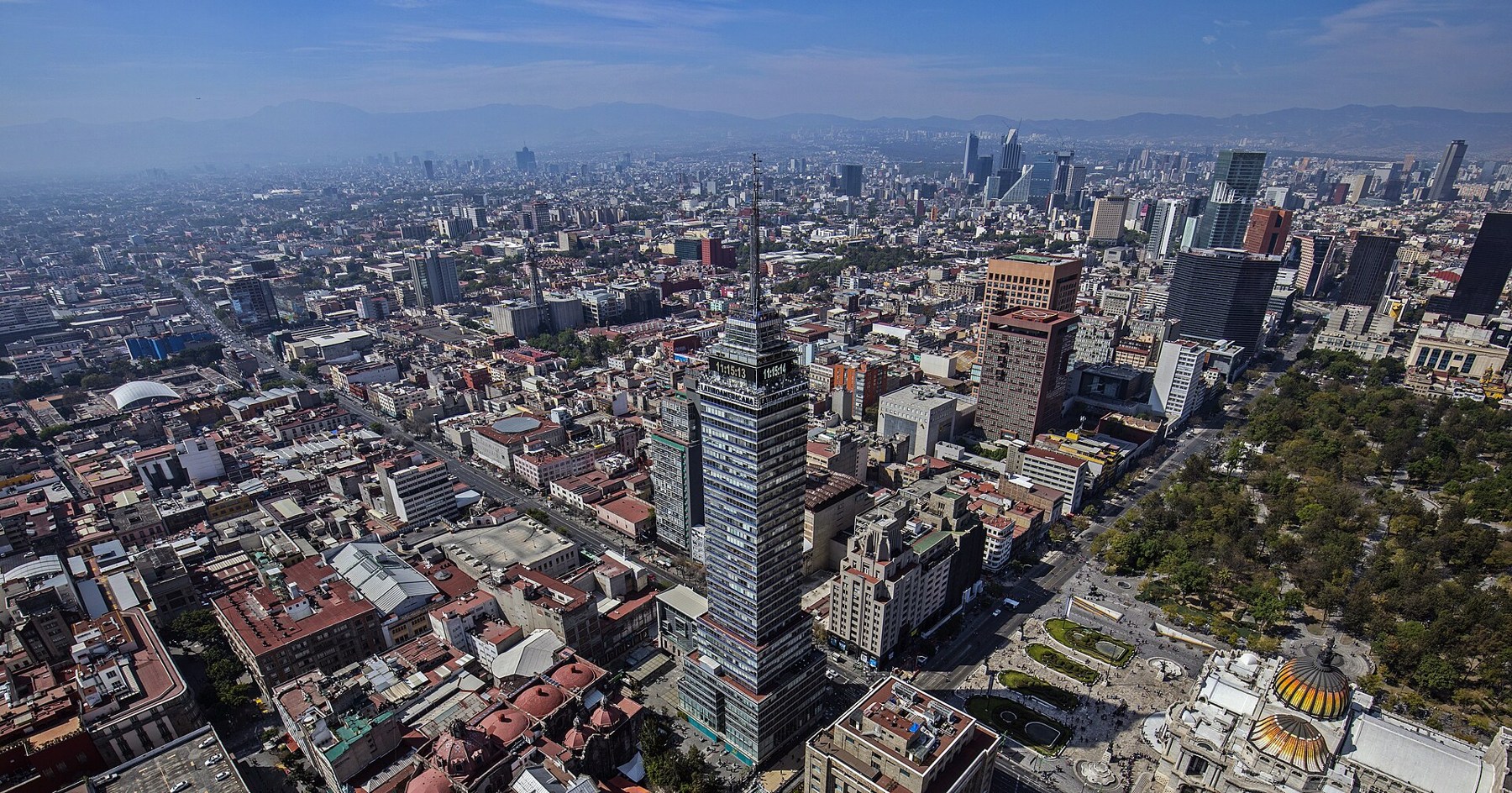
For a first visit without a highly specialized itinerary, Roma Norte is the most versatile default. Choose Condesa instead for parks and a gentler neighborhood rhythm, or Centro Histórico when the Zócalo and historic sights are the main reason for the trip.
The exact address matters as much as the neighborhood name. A side-street room can be a better choice than a hotel in the “right” colonia but directly over a bar or on a traffic-heavy avenue.
| Choose | Best fit | Main compromise |
|---|---|---|
| Roma Norte | Restaurants, galleries and varied days around the city | Dining and nightlife streets can be noisy |
| Condesa | Parks, walks and relaxed time near the hotel | Metro access varies considerably by address |
| Centro Histórico | Zócalo, Templo Mayor, Bellas Artes and museum-focused days | The immediate setting changes substantially from block to block |
Roma Norte: the versatile default
“Roma” in hotel searches often means Roma Norte, particularly around Avenida Álvaro Obregón, Plaza Río de Janeiro and the streets east of Avenida Insurgentes. Check the pin rather than relying on the listing label: Roma Sur is a separate area and may not put you near the places you associated with Roma Norte.
Roma Norte suits travelers who want restaurants, cafés, small shops and galleries near their room while still planning days elsewhere. Mexico City’s official visitor guide identifies Álvaro Obregón as an important thoroughfare, describes Insurgentes as the broad division between Roma and Condesa, and highlights the two districts’ restaurants, parks, plazas and galleries (Mexico City tourism guide). Plaza Río de Janeiro gives this appeal a useful geographic anchor: the planted plaza is surrounded by buildings in varied architectural styles and sits within a part of Roma the city guide recommends for strolling (Mexico City tourism).
The compromise is activity. A room on Álvaro Obregón or another restaurant-heavy street may put dinner at the door but sleep at a premium. Check recent room-specific noise comments, whether the room faces the street or courtyard, and whether the property has effective glazing.
Choose Roma Norte if: you want the broadest mix of eating, evenings out and access to different parts of the city.
Check first: the precise location relative to Álvaro Obregón, Plaza Río de Janeiro and Insurgentes. Move a block or two away from the busiest strip if quiet matters more than immediate nightlife.
Condesa: parks and a softer neighborhood rhythm
Condesa adjoins Roma across Insurgentes, so this is less a choice between two distant bases than between two kinds of immediate surroundings. Its useful anchors include Parque México, Parque España, Avenida Amsterdam and Avenida Tamaulipas.
The parks and curving streets around them make Condesa a good fit when an easy morning walk or an unplanned evening near the hotel is part of the appeal. It is not uniformly quiet, however. Restaurants and bars cluster on some streets, while larger roads bring traffic. A courtyard-facing room on a side street may be materially calmer than one facing a principal avenue.
Transport convenience also varies. Metro Chilpancingo serves southern Hipódromo Condesa and connects directly with the Line 1 Metrobús station in the center of Avenida Insurgentes, according to the city’s station guide (Mexico City tourism: Metro Chilpancingo). That makes the southeastern side practical for visitors who expect to use public transport frequently. Farther north or west, allow for more walking or more ride-hailing.
Choose Condesa if: parks and pleasant time close to your hotel matter more than proximity to historic monuments.
Check first: the actual walking route from the hotel to the station you expect to use. “Condesa” alone does not guarantee quick Metro access.
Centro Histórico: put the historic city first
Centro Histórico is the strongest choice for an itinerary centered on the Zócalo, Metropolitan Cathedral, Templo Mayor, Palacio Nacional, Alameda Central and Palacio de Bellas Artes. The city’s visitor guide organizes the area outward from the Zócalo, including routes west along Madero, Tacuba and Donceles toward Alameda Central (Mexico City tourism guide).
The concentration is historically substantial, not merely convenient. UNESCO describes a center where the remains of Tenochtitlan, the colonial capital and later public architecture overlap; it specifically identifies Templo Mayor, the cathedral and the Palace of Fine Arts among the elements that show the city’s development (UNESCO World Heritage Centre).
Staying here can simplify a short, culture-focused visit: start at a major site early, return to the room during the day and avoid crossing the city for consecutive museum visits. Zócalo/Tenochtitlan station is on Line 2 at the main square, with exits along its eastern side (Mexico City tourism: Metro Zócalo/Tenochtitlan).
The catch is that “Centro” is too broad to judge without a pin. A hotel by Alameda Central offers a different immediate setting from one east of the Zócalo. Before booking, inspect the entrance, the route to the nearest useful station and where you would eat after dark. A central sightseeing location does not automatically produce the evening atmosphere you may expect from Roma or Condesa.
Choose Centro Histórico if: the historic core is the main event, especially on a short visit.
Check first: the Zócalo–Madero–Bellas Artes–Alameda corridor for straightforward sightseeing, then assess the exact blocks you would use at night.
Transport: compare the pin, not the colonia
Roma and Condesa are adjacent. For many visitors, walking between Parque México, Insurgentes and northern Roma is practical; reaching Centro is a separate trip.
Useful anchors are:
- Roma Norte: Metro Insurgentes and the Metrobús corridor on Avenida Insurgentes. The city describes the Glorieta de Insurgentes as a hub where Roma Norte streets meet the circle and north- and southbound Metrobús stations serve the avenue (Mexico City tourism: Metro Insurgentes).
- Condesa: Metro Chilpancingo and its adjoining Line 1 Metrobús stop are most useful from the southeastern side.
- Centro Histórico: Zócalo/Tenochtitlan is the direct station for the main square; stations around Bellas Artes and Alameda may be more useful for hotels at the western end.
Check the Metro and Metrobús operators shortly before travel for service changes or temporary station closures. For hotel selection, map the walk to the station you would actually use rather than measuring to any station nearby.
Roma and Condesa generally provide the more convenient starting position for Chapultepec. Centro eliminates repeated travel to the Zócalo and surrounding museums. Coyoacán still requires a dedicated journey from all three, so it is not a strong reason to prefer one of these bases over the others.
Safety cannot be reduced to a neighborhood ranking
It is not useful to label one entire district “safe” and another unsafe. Conditions can differ by street, time and event, while theft is a concern in crowds and on public transport.
As of October 30, 2026, the U.S. State Department’s country-level advisory for Mexico is Level 2: Exercise Increased Caution. It advises using authorized taxi stands or trusted app-based services rather than hailing taxis on the street and recommends protecting belongings on public transport (Mexico travel advisory, issued May 29, 2026). This national advisory is not a comparative rating of Roma, Condesa and Centro; travelers should also check current advice from their own government.
For any of the three areas, examine the last few blocks of the route you would take after dinner. Keep phones and wallets controlled in crowds, avoid empty shortcuts and arrange a ride when a late walk does not seem sensible.
The booking decision
Choose Roma Norte for the most balanced base: meals and evenings nearby, with useful links to other parts of Mexico City.
Choose Condesa when parks and neighborhood walks are the priority. Favor the southeastern side if Metro and Metrobús access matters.
Choose Centro Histórico when walking to the city’s densest concentration of historic landmarks matters more than having the Roma–Condesa evening scene outside.
Then choose the room, not merely the colonia: plot the entrance, inspect the nighttime route, verify the nearest useful station and read recent comments for street noise.